
Urea Fertilizer : What Buyers Need to Know Before Importing
May 29, 2026
Green Coffee from Brazil: What Importers and Roasters Need to Know
June 5, 2026
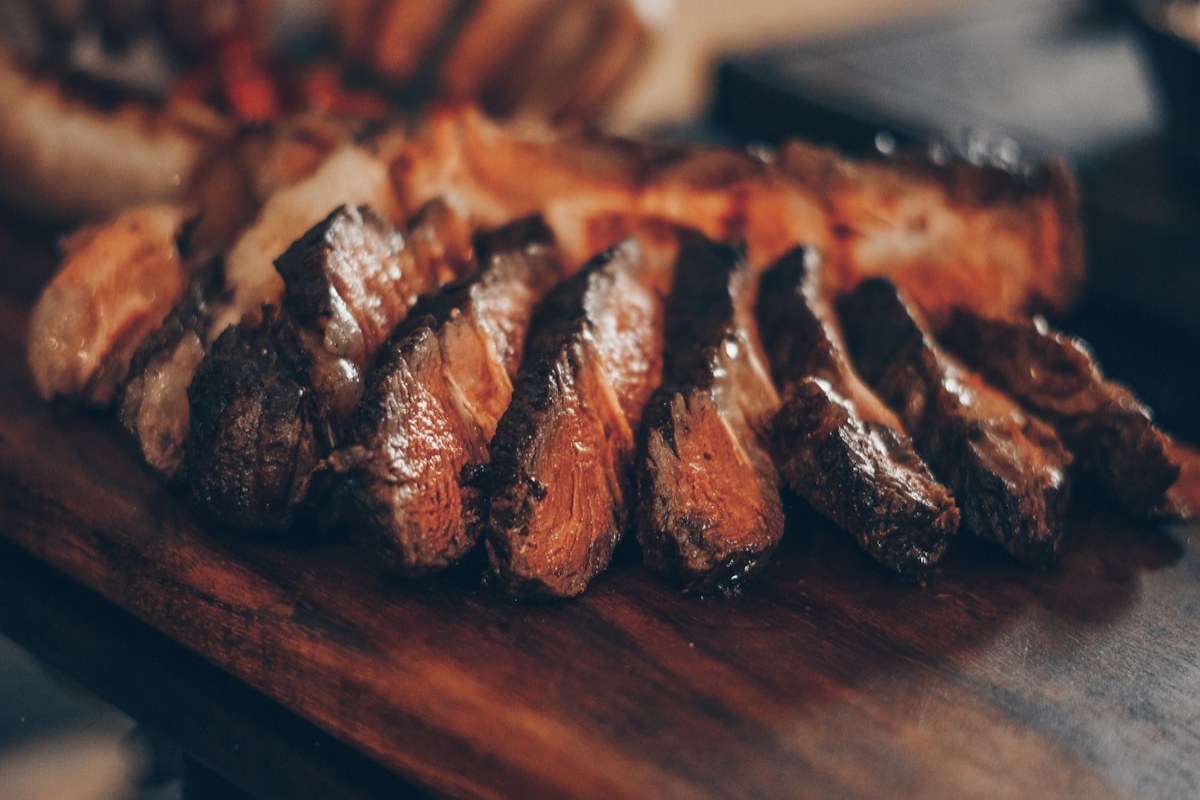
Brazil is consistently ranked among the top three beef exporters in the world, alongside Australia and the United States. With a cattle herd exceeding 220 million head and a well-developed processing industry, Brazil offers buyers a wide range of cuts, certifications, and supply volumes.
For importers and food distributors evaluating Brazilian beef, understanding the product range, certification requirements, and trade mechanics is the starting point for successful sourcing.
Brazil’s Beef Export Market at a Glance
- Cattle herd: ~220 million head (world’s largest commercial herd)
- Main producing states: Mato Grosso, Mato Grosso do Sul, Pará, Goiás, Minas Gerais
- Main export destinations: China, USA, Chile, Egypt, Hong Kong, Saudi Arabia
- Annual export volume: ~2.5 million MT (2024)
- Main export format: Frozen boneless beef (majority), chilled and offal
Brazil’s beef is primarily Zebu-based (Nelore breed), known for leanness and adaptability to tropical conditions. Some operations also produce Angus and crossbred cattle for premium markets.
Main Brazilian Beef Cuts Available for Export
Brazilian beef exports are classified by cut and bone-in/boneless status. The most traded cuts include:
Forequarter cuts:
- Chuck (acém) — boneless, widely exported
- Blade / Shoulder clod — used in food service and manufacturing
- Brisket — bone-in and boneless
Hindquarter cuts:
- Striploin (contrafilé) — premium cut, chilled and frozen
- Tenderloin (filé mignon) — small volumes, premium
- Rump (picanha) — highly valued in Brazil, growing international demand
- Topside / Silverside / Knuckle — boneless, high volume, food service
- Flank steak (fraldinha) — specialty cut, export to US and EU
Manufacturing beef:
- Lean beef trimmings (80/20, 90/10, 95/5 CL) — for grinding and processing
Offal:
- Liver, heart, tongue, tripe — exported to Asia and Middle East
Certification and Compliance
Brazil’s meat exports are regulated by MAPA (Ministry of Agriculture) and executed through SIF-registered slaughterhouses (Federal Inspection Service). Only SIF-registered plants can export.
| Certification | Market | Details |
|---|---|---|
| Halal | Middle East, SE Asia | Issued by Brazilian Islamic certification bodies (CDIAL, CIBAL) |
| EU-eligible | European Union | Plants must be approved on EU’s eligible plant list |
| USDA-eligible | United States | Plants must meet USDA/FSIS standards |
| Organic | Various | Limited production, growing demand |
When sourcing for specific markets, always confirm the plant’s certification status matches your import destination requirements.
Cold Chain and Packaging
Frozen Brazilian beef is exported at:
- Core temperature: -18°C or below
- Shelf life: 18–24 months from production date (frozen)
Standard packaging:
- Vacuum-packed in cryovac bags
- Poly boxes (typically 27–30 kg net per box)
- Master cartons for container loading
Chilled beef (0°C to +4°C) is also available but represents a smaller export share, primarily to Chile and Argentina.
Key Documents in Brazilian Beef Import
- Sanitary Health Certificate (SVC) — issued by MAPA, required for all beef exports
- Commercial Invoice — price, quantity, cut description, HS code
- Packing List — box count, net/gross weight
- Bill of Lading / Airway Bill
- Certificate of Origin — MDIC-issued
- Halal Certificate (where applicable)
- Cold Chain Temperature Log — required by some importing countries
Common HS Codes for Brazilian Beef Exports
| Product | HS Code |
|---|---|
| Frozen boneless beef | 0202.30 |
| Chilled boneless beef | 0201.30 |
| Frozen bone-in cuts | 0202.20 |
| Bovine offal (frozen) | 0206.29 |
Confirm applicable tariff and import license requirements with your country’s customs authority.
Pricing Structure
Brazilian beef is priced in USD per kilogram (FOB Santos or other port). Key pricing factors:
- BRL/USD exchange rate — weakening BRL benefits buyers (lower USD price)
- Feed and cattle price in Brazil — affects production cost
- Chinese demand — China is the dominant buyer; their purchasing decisions move market prices
- Domestic Brazilian consumption — high domestic demand competes with exports
- Seasonal production — slaughter peaks in Q3 (dry season, cattle finish well)
What Buyers Should Verify
- ✔ SIF number of the processing plant
- ✔ Plant’s eligibility for your destination country (EU list, USDA list, etc.)
- ✔ Halal certification body (not all certifiers are accepted in all countries)
- ✔ Production and expiry dates on each box
- ✔ Cold chain integrity from plant to port
- ✔ Independent inspection at port of loading (SGS or equivalent)
Final Thoughts
Brazil’s beef industry is one of the most developed in the world — modern processing plants, consistent volumes, and extensive certification infrastructure. For buyers in Asia, the Middle East, or Africa, Brazilian beef represents a competitive, reliable source of protein.
Due diligence on plant certifications and cold chain compliance remains essential for every new supplier relationship.
Want specifications or availability on specific cuts? Our team can connect you with certified Brazilian beef exporters.
🌿 Ready to Source from Brazil?
Talk directly with our export specialists. Get pricing, quality certificates, Incoterms and logistics info — fast response via WhatsApp.