Brazilian Beef Cuts for Export: A Buyer’s Guide to Specifications and Trade
June 2, 2026
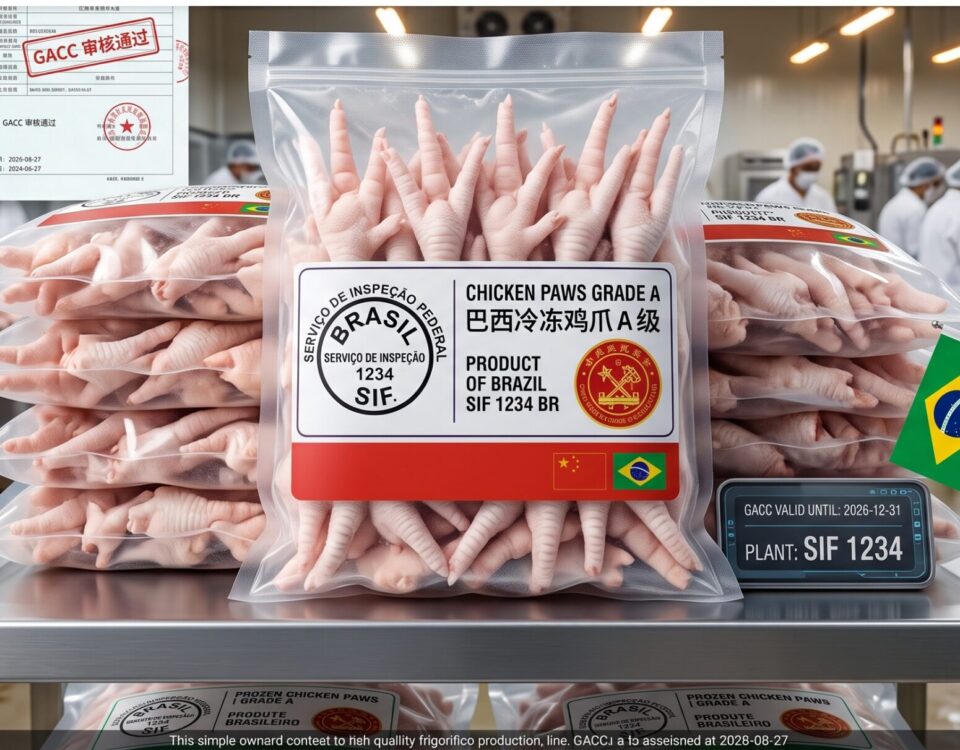
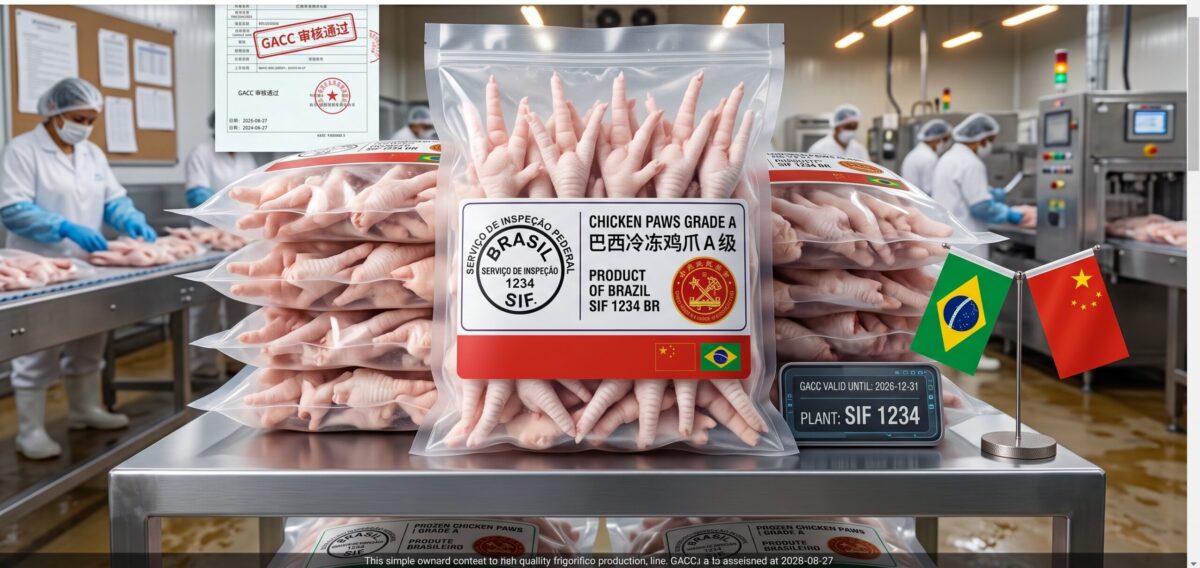
Frozen Chicken Paws from Brazil: Grade A SIF GACC Certified — Complete Import Guide
June 8, 2026
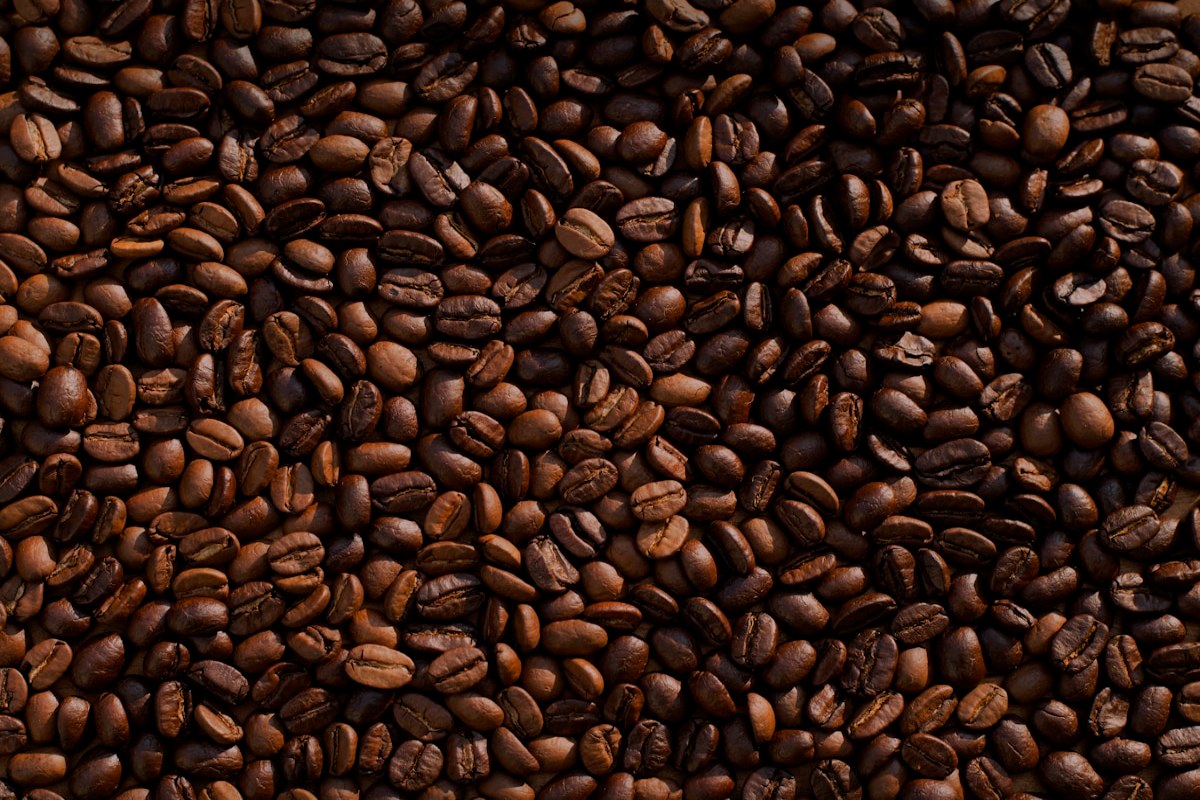
Brazil has been the world’s largest coffee producer for over 150 years, consistently supplying 30–40% of global green coffee volumes. From commodity-grade naturals to award-winning specialty lots, the country offers buyers an extraordinary range of options across price points, origins, and processing methods.
For importers, roasters, and traders evaluating Brazilian green coffee, this guide covers what matters most.
Brazil’s Coffee Production Overview
- Annual production: ~65–70 million 60-kg bags (varies by harvest)
- Main producing regions: Minas Gerais (Cerrado, Sul de Minas, Chapada), São Paulo (Mogiana), Espírito Santo (Conilon), Bahia, Paraná
- Species: ~70% Arabica, ~30% Robusta (Conilon)
- Processing methods: Natural (dry) is dominant; pulped natural (honey) widely used; washed available in specialty lots
- Harvest: April–September (main crop); smaller crop (biennia) varies by year
Brazil’s scale means buyers can access both large commodity volumes and micro-lot specialty coffees from the same country.
Arabica vs. Robusta (Conilon)
| Arabica | Robusta / Conilon | |
|---|---|---|
| Caffeine | Lower | Higher |
| Flavor | Complex, mild, sweet | Strong, earthy, bitter |
| Altitude | Higher (700–1,200m) | Lower (sea level to 600m) |
| Main use | Specialty, espresso blends | Espresso blends, soluble/instant |
| Main regions | Minas Gerais, São Paulo | Espírito Santo, Rondônia |
Most specialty buyers focus on Arabica. Robusta is widely used in blends, soluble coffee, and espresso formulations that benefit from body and crema.
Coffee Grading in Brazil
Brazilian green coffee is classified by the COB system (Classificação Oficial Brasileira):
By defect count (per 300g sample):
- Type 2 — Strictly Soft, best commercial grade
- Type 3 — Fine cup
- Type 4 — Good cup
- Type 6 — Commercial grade
- Type 7/8 — Lower grades
By screen size:
- Screen 17/18 — premium size, uniform roasting
- Screen 15/16 — standard
- Screen 13/14 — smaller beans, often lower-altitude
By cup quality:
- Strictly Soft (SS) — best flavor descriptor
- Soft — clean, mild
- Softish — slight harshness
- Hard — astringent notes
- Riado / Rio — medicinal, off-notes (lower grades)
Specialty coffee uses the SCA scoring system (80+ points = specialty grade).
Common Processing Methods
- Natural (Dry Process) — most common in Brazil. Cherry dried whole. Result: fruity, heavy body, lower acidity.
- Pulped Natural (Honey) — mucilage left on parchment. Balance of sweetness and acidity. Common in Sul de Minas.
- Washed — fully washed, cleaner cup, brighter acidity. Less common but available from specialty producers.
- Anaerobic / Experimental — growing niche in Brazilian specialty lots.
Processing method significantly affects flavor profile. Specify clearly in purchase orders.
Packaging and Export Formats
| Format | Weight | Use |
|---|---|---|
| Jute bags | 60 kg | Traditional, commodity trade |
| GrainPro / Ecotact-lined bags | 60 kg | Specialty, moisture protection |
| Vacuum-sealed | Various | Micro-lots, specialty exports |
| Bulk container (supersacks) | 500–1,000 kg | Large commodity volumes |
For specialty imports, GrainPro or hermetic bags are strongly recommended to preserve moisture content and cup quality during transit.
Key Documents in Green Coffee Import
- Commercial Invoice — crop year, grade, screen size, process, quantity
- Packing List
- Bill of Lading
- Certificate of Origin — issued by MDIC or accredited bodies
- Phytosanitary Certificate — issued by MAPA; required by most importing countries
- ICO Certificate of Origin — International Coffee Organization certificate
- Quality/Grading Certificate — from ABIC, BSCA, or independent QC lab
- Organic Certificate (if applicable) — IBD, Ecocert, or equivalent
Incoterms in Brazilian Coffee Trade
- FOB Santos — most common. Buyer arranges freight from Santos port.
- CFR / CIF — seller arranges freight. Common for buyers without regular shipping.
- DAP — used in some relationships with European importers who have warehouse infrastructure.
Santos is the world’s largest coffee export port. Container availability is generally good but can tighten during peak harvest months (June–August).
Seasonality and Crop Cycles
Brazil operates on a biennial production cycle — alternating between large and small crops. Knowing which year you’re in affects supply availability and pricing:
- On-year (large crop): Higher volumes, more competitive prices, better selection
- Off-year (small crop): Tighter supply, price pressure, earlier commitment needed
The 2025/26 harvest (current cycle) is projected as an on-year for Arabica. Buyers can find good availability in Sul de Minas and Cerrado origins.
EU Deforestation Regulation (EUDR) — What Buyers Need to Know
As of 2025, the EU Deforestation Regulation requires coffee importers into the EU to provide due diligence statements confirming that the product was not produced on deforested land.
Brazilian suppliers must provide:
- GPS coordinates of the farm
- Proof that land was in use before December 31, 2020
- Supply chain documentation
Buyers importing into the EU should confirm EUDR compliance with their Brazilian supplier before signing contracts. Non-compliant shipments will be blocked at EU customs.
What Specialty Roasters Should Verify
- ✔ Request a green sample (250–500g) before committing to volume
- ✔ Confirm SCA cupping score — ask for a Q-grader report
- ✔ Check moisture content — ideal range is 10–12%
- ✔ Confirm crop year and estimated arrival date at destination
- ✔ Review water activity (Aw) for long-distance shipments
- ✔ Understand minimum order — most single-origin lots start at 1 bag (60 kg)
Final Thoughts
Brazil’s coffee sector is the most developed in the world — from commodity cooperatives to micro-lot specialty farms. The key for buyers is matching the right tier (commodity vs. specialty) with the right supplier profile and documentation package.
Start with a sample, verify documentation, and build the relationship before committing to large volumes.
Interested in Brazilian green coffee? Our team works with exporters across Minas Gerais, São Paulo, and Espírito Santo. Contact us for current lot availability and pricing.
🌿 Ready to Source from Brazil?
Talk directly with our export specialists. Get pricing, quality certificates, Incoterms and logistics info — fast response via WhatsApp.