
China Urea Export Controls 2026: How Turkey and Morocco Buyers Are Adapting
July 13, 2026
Brazilian Arabica vs. Ethiopian and Colombian Origin: What Roasters Choose and Why
July 17, 2026
Introduction
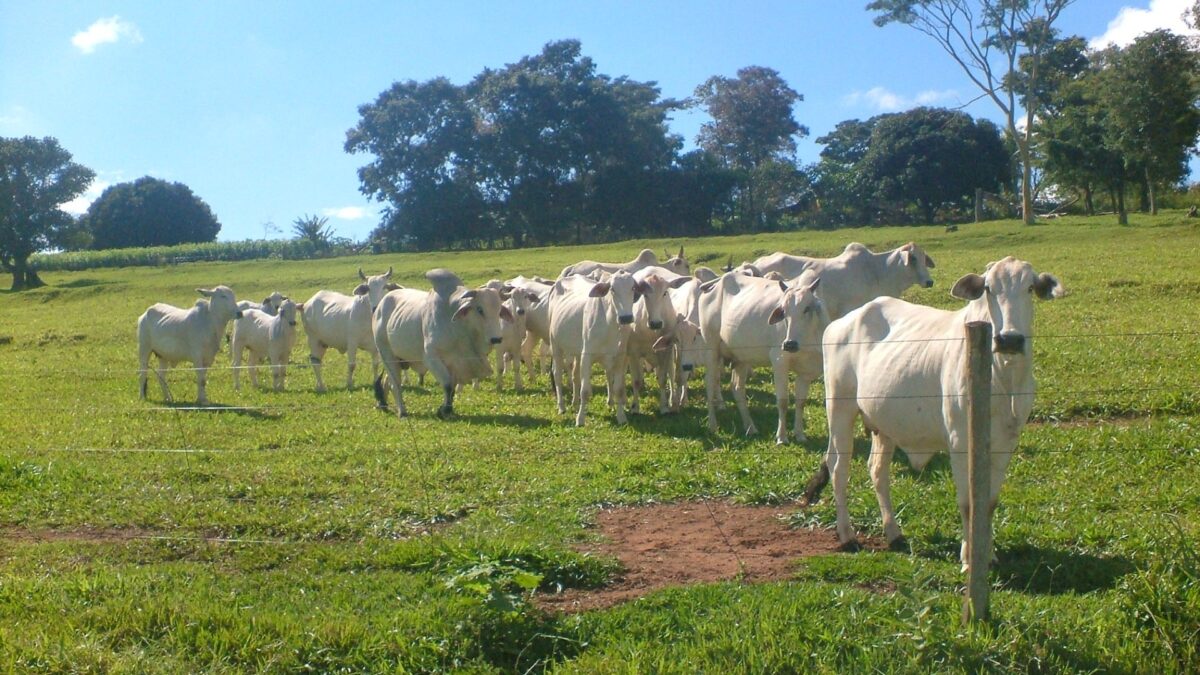
Brazilian beef exports totaled US$1.404 billion in January 2026, with shipments of 264,000 tons — the best January performance ever recorded in the historical series, according to data from Brazil’s Ministry of Development, Industry, Trade and Services, compiled by the Brazilian Association of Meat Exporting Industries (ABIEC).
Compared to January 2025, that represents growth of 40.2% in value and 26.1% in volume. For Gulf importers evaluating Brazilian beef as a core protein source, understanding what is driving this growth — and where Gulf markets fit into it — is directly relevant to sourcing strategy.
What Happened: A Record January Across 177 Countries
Fresh beef maintained its leading position in Brazilian exports during the period, accounting for US$1.292 billion (91.97% of total value) with a volume of 231,800 tons. Processed meats totaled US$58.5 million, while offal added a further US$37.3 million.
ABIEC President Roberto Perosa noted that “even with a more challenging scenario, marked by geopolitical issues and lower meat production in several countries, Brazil showed in January that it maintains the capacity to export significant volumes.” Brazilian beef now reaches 177 countries — a reach that helps sustain shipment pace even when individual markets face disruption.
Where Gulf Markets Rank
Among January 2026’s major destinations, Saudi Arabia imported US$30.6 million (5,700 tons) and the United Arab Emirates imported US$38.9 million (7,400 tons) — both ranking among Brazil’s top destinations that month, alongside Egypt (US$35.7 million), Russia, and Hong Kong.
This Gulf presence is not new — it reflects a decades-long trade relationship. According to CSIS analysis of Brazil’s Halal export sector, Brazil tripled its meat exports to Gulf Cooperation Council (GCC) countries between 2004 and 2012, and Brazil now earns more from meat trade with the GCC than with the entire European Union. Saudi Arabia remains Brazil’s largest Arab trading partner, followed by the UAE.
Why Halal Certification Underpins This Trade
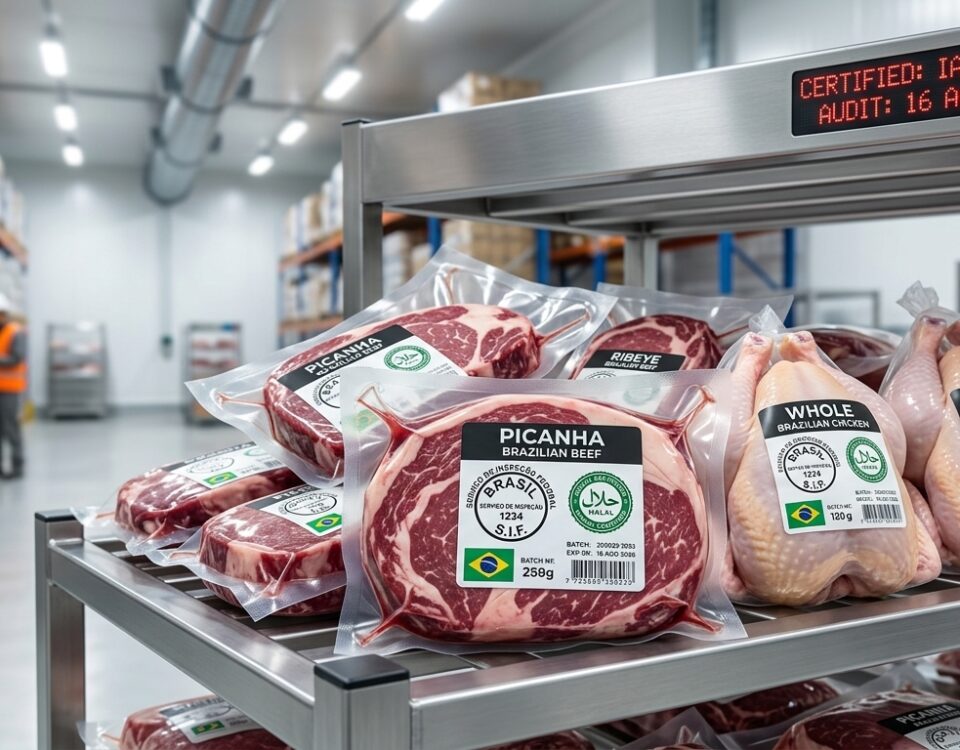
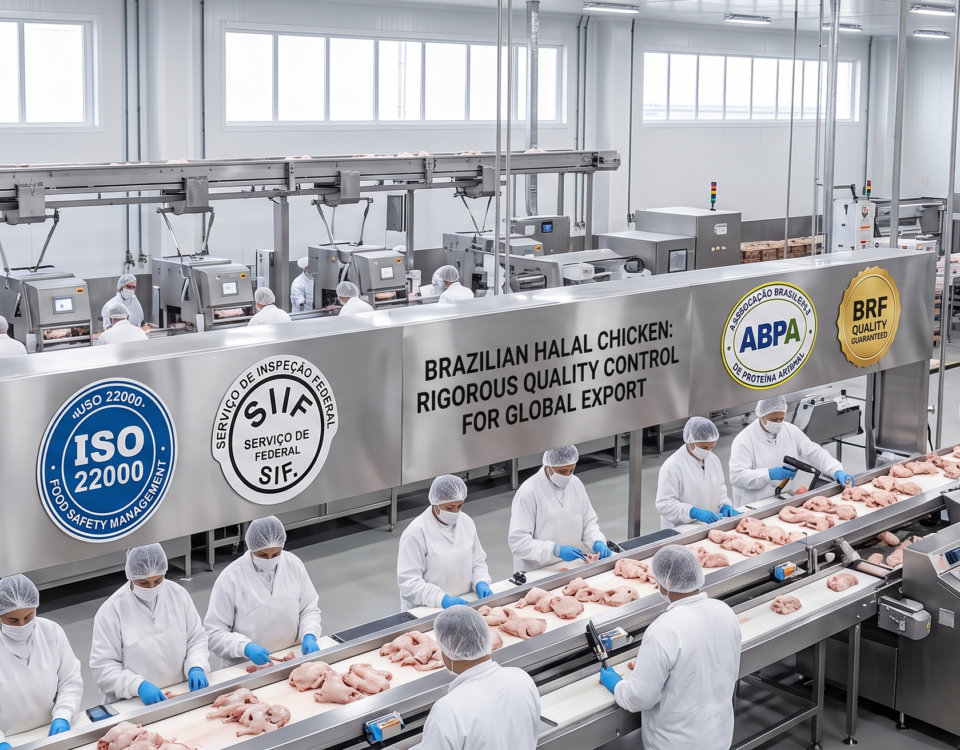
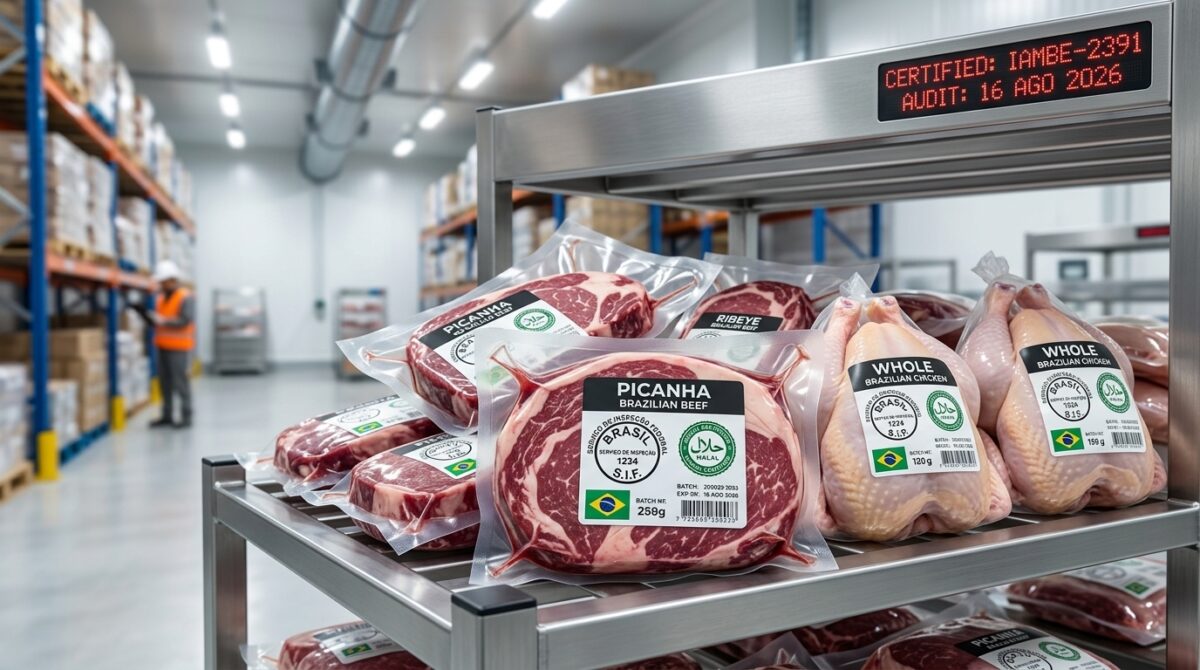
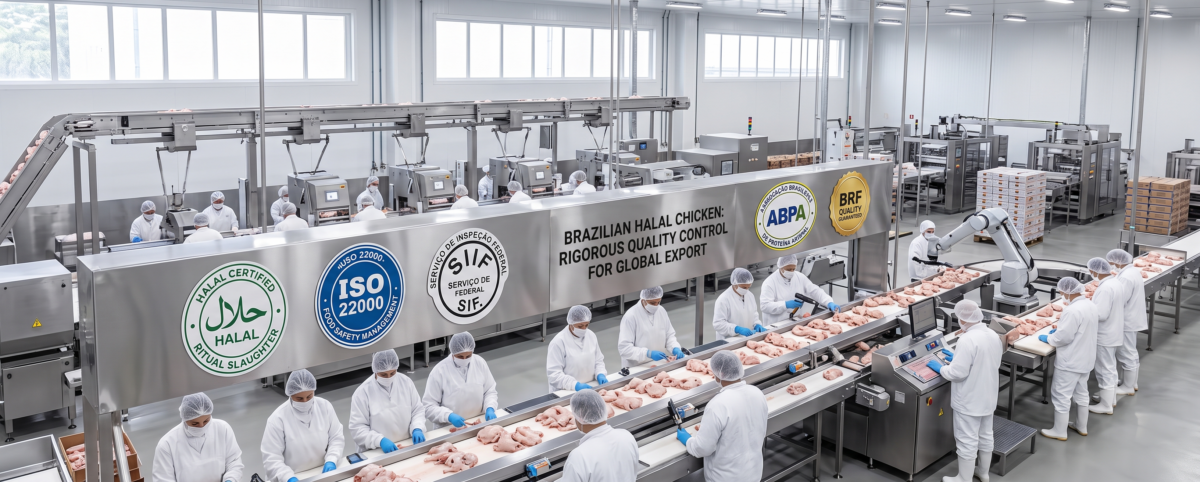
A key structural factor behind Brazil’s Gulf beef trade is its established Halal certification infrastructure — built, notably, by Arab immigrant communities in Brazil over the past half-century. According to the Arab Brazilian Chamber of Commerce, over 100 beef producers in Brazil now produce Halal-certified meat, despite Brazil’s own Muslim population being relatively small (just over 35,000, according to recent census data).
This certification depth matters for buyers: it means Halal compliance in Brazilian beef supply chains is not a recent adaptation to export demand, but a mature, audited system with decades of operating history — reducing the compliance risk for Gulf importers relative to newer entrant origins.
What This Means for Gulf Importers
- Diversification of export destinations strengthens supply reliability. With Brazilian beef now reaching 177 countries, Gulf buyers benefit from a supply base that is not overly dependent on any single market — reducing the risk that a demand shock elsewhere disrupts availability for Gulf contracts.
- Fresh beef dominance signals quality focus. With fresh beef representing over 91% of January’s export value, Brazilian exporters are prioritizing higher-value, higher-quality product lines — relevant for Gulf buyers sourcing for premium retail or food service channels.
- Established Halal infrastructure reduces onboarding friction. Buyers evaluating new Brazilian suppliers can expect a mature certification and audit ecosystem, rather than having to help build compliance capability from scratch.
Key Specifications for Sourcing
| Specification | Standard |
|---|---|
| Certification | SIF Brazil + Halal (specify certifying body) |
| Product types | Fresh/frozen cuts, processed meats, offal |
| Incoterms | FOB Santos/Paranaguá or CIF to destination |
| Payment | LC at sight, DLC, or SBLC |
| Minimum order | Typically 5 × 40HQ reefer containers (MOQ) |
Conclusion
Brazil’s beef export sector opened 2026 with record volumes and values, and Gulf markets — Saudi Arabia and the UAE in particular — remain structurally significant destinations within that growth. For importers, the combination of export diversification, quality focus on fresh beef, and mature Halal certification infrastructure points to a supply base built for long-term reliability rather than opportunistic export surges.
Sourcing Brazilian Halal Beef?
AgriTrade Connect connects Gulf importers with SIF-certified, Halal-verified Brazilian beef suppliers — structured transactions from LOI through shipment documentation.
📧 gabriel.dias@agritradeconnect.com
📱 WhatsApp: +55 17 99735-4202
🌐 agritradeconnect.com
Sources
| Source | Publication | Date |
|---|---|---|
| ABIEC / MDIC — January 2026 Export Data | Euromeatnews.com | February 9, 2026 |
| CSIS — Brazil’s Halal Export Sector Analysis | Center for Strategic and International Studies | 2025 |