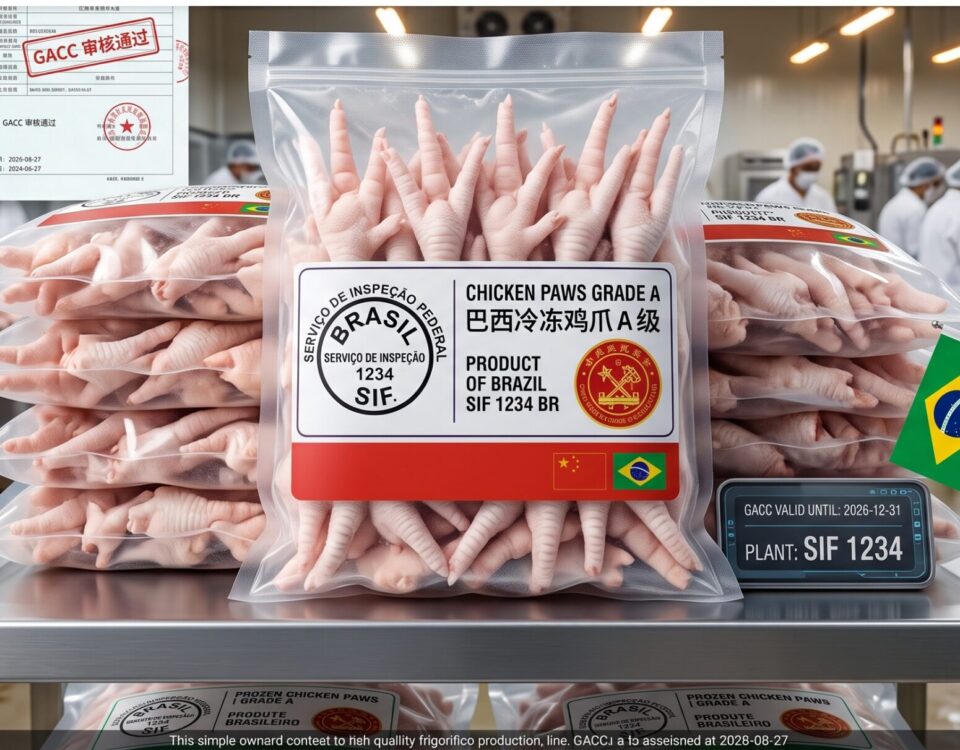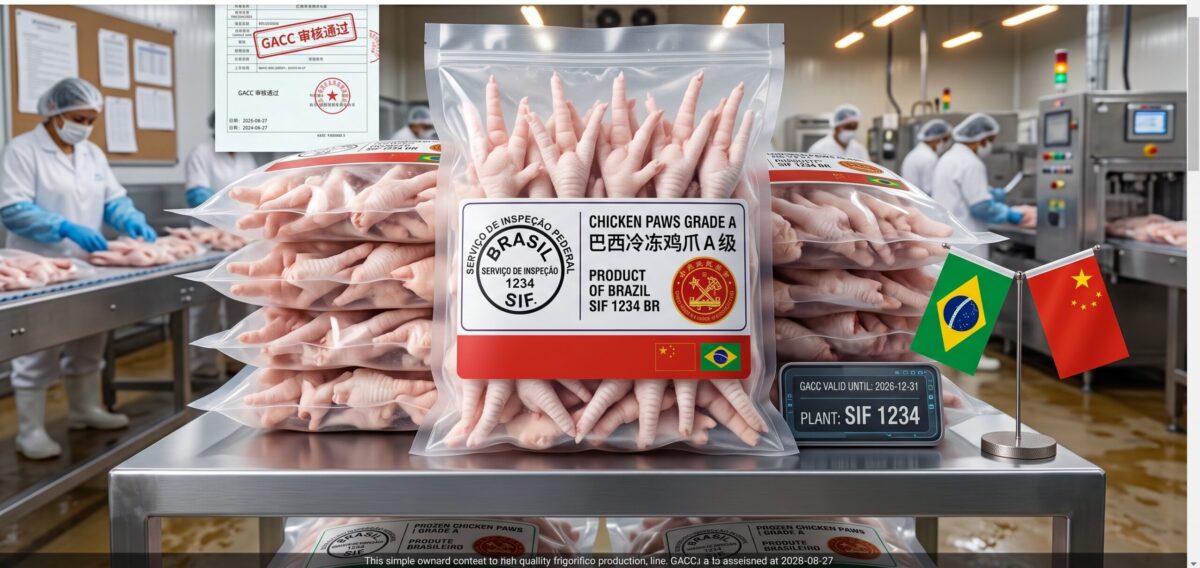
Frozen Chicken Paws from Brazil: Grade A SIF GACC Certified — Complete Import Guide
June 8, 2026
Halal Frozen Chicken from Brazil: SIF-Certified Supply Chain for Saudi Arabia Importers
June 25, 2026
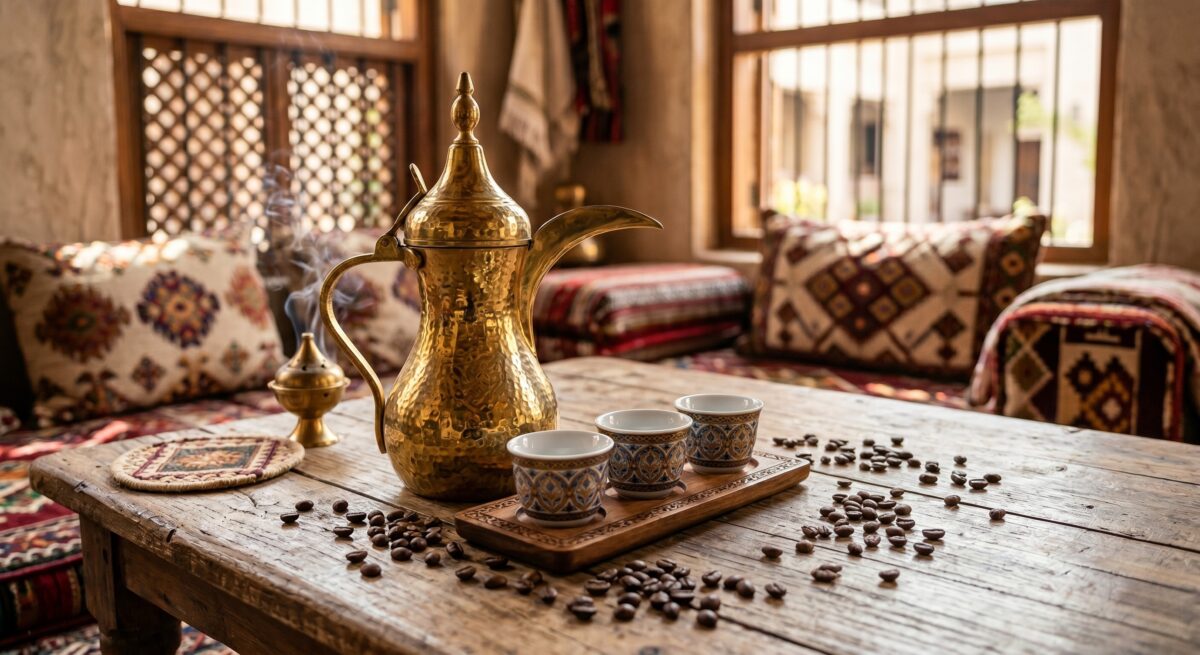
Saudi Arabia’s coffee culture is undergoing a transformation. What was once a market defined by traditional Arabic coffee (qahwa) is now home to a fast-growing specialty coffee scene, with new roasteries opening across Riyadh, Jeddah, and Dammam every year. As local roasters scale up, sourcing decisions are shifting — and Brazil has become a primary focus.
Why Brazil Is Gaining Ground in the Saudi Market
Brazil produces roughly a third of the world’s coffee supply, and its arabica beans are prized for consistency, scale, and price competitiveness. For Saudi importers and roasters building supply chains that need to be both reliable and cost-efficient, Brazilian green coffee offers an attractive combination that’s difficult to match from other origins.
Three factors are driving this shift:
Volume reliability. Saudi roasters scaling beyond boutique operations need origins that can guarantee consistent volume year-round. Brazil’s large-scale production infrastructure supports long-term contracts without the supply gaps that smaller origins sometimes face.
Price-to-quality ratio. Brazilian arabica, particularly screen 15/16 and 17/18 grades, delivers a clean, well-balanced cup profile suitable for both espresso-based drinks and the traditional brewing methods still popular in Gulf households.
Logistics efficiency. Shipping routes from Brazilian ports to Jeddah and Dammam are well-established, with regular container traffic that keeps freight costs and lead times predictable — an important factor for roasters managing inventory cash flow.
What Saudi Buyers Should Know About Sourcing
For importers new to direct sourcing from Brazil, a few specifications matter most when requesting an offer:
Grade and screen size: NY 2/3 and NY 3/4 classifications, with screen sizes 15/16 or 17/18, are the most common export specifications for commercial and specialty-adjacent roasting.
Moisture and defect count: Reputable Brazilian exporters provide certificates of analysis covering moisture content and defect counts per the Brazilian classification standard.
Incoterms: Most contracts are structured FOB at the Brazilian port of origin, with CIF available for buyers who prefer all-in pricing to their destination port.
Payment structure: Letter of Credit (LC) at sight remains the standard instrument for first-time transactions between Brazilian exporters and Gulf importers, offering security for both parties.
A Note on Building the Relationship
Sourcing coffee internationally is rarely a single transaction — it’s the beginning of a recurring supply relationship. Saudi roasters evaluating Brazilian suppliers should expect an initial back-and-forth: sharing target volumes, preferred grade, and destination port, followed by a sample shipment before committing to a long-term contract. This process protects both sides and is standard practice in structured commodity trade.
Ready to Source Brazilian Coffee?
AgriTrade Connect works with validated Brazilian coffee producers to supply international buyers with consistent quality and transparent terms — FOB Santos or CIF to your port, with documentation support throughout the process.
Interested in a coffee offer for your roastery or distribution business?
Interested in sourcing Brazilian coffee?
NY 2/3 & 3/4 Grades · FOB Santos or CIF · Reply within 24h
WhatsApp Send Email