
NY Arabica Futures Drop Below $2.75 in June 2026 — Is This the Buying Window Gulf Coffee Importers Have Been Waiting For?
July 1, 2026
Brazil Poultry Exports Hit Record Revenue in 2026 — What the Data Means for Gulf and Asian Buyers
July 8, 2026
Introduction
The global agricultural spray oil market — mineral and vegetable oils used as insecticides, fungicides, and pesticide adjuvants — was valued at US$1.004 billion in 2024 and is projected to reach US$1.376 billion by 2032, growing at a compound annual rate of 4.0%, according to market research firm Kings Research.
That steady growth curve tells only part of the story. Behind the numbers is a structural shift in how farmers worldwide protect high-value crops — and Brazil sits at the center of it, both as one of the largest consuming markets and as an increasingly important production and export base for the region.
For distributors and agricultural input buyers evaluating spray oil suppliers, understanding this market’s geography and direction matters as much as understanding the product itself.
What Agricultural Spray Oils Actually Do
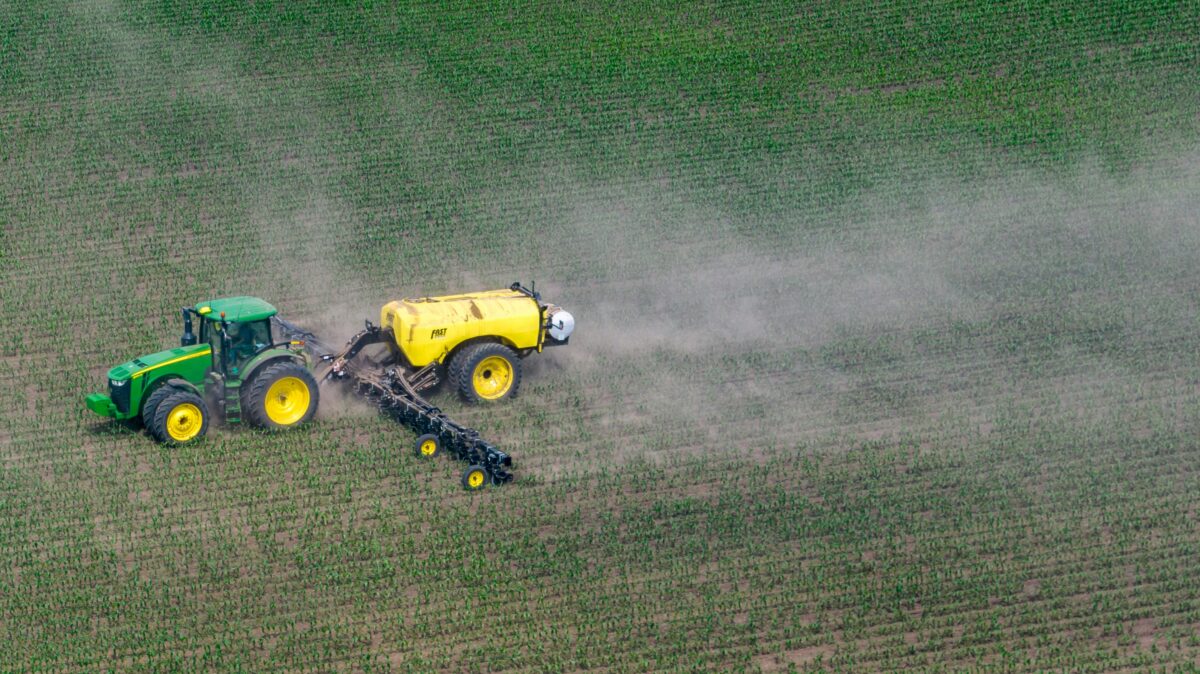
Spray oils — whether petroleum-derived mineral oils or vegetable oil-based formulations — are applied as foliar sprays in orchards, vineyards, and field crops. Their core function is mechanical rather than purely chemical: they work by suffocating soft-bodied insects and mites, disrupting feeding and reproductive cycles, dissolving waxy protective coatings on pests, and improving the adhesion and performance of other pesticides applied alongside them.
This mode of action is precisely why spray oils have become central to Integrated Pest Management (IPM) programs — pest control strategies that combine multiple methods to reduce reliance on synthetic chemical pesticides. Market analysis from Credence Research notes that around 60% of Brazilian farmers have adopted IPM practices, driven by both environmental regulation and the need to manage pesticide resistance that has developed after decades of conventional chemical-only programs.
Why Brazil and Latin America Matter in This Market
Latin America’s position in the global spray oil market is not incidental. According to Credence Research’s regional analysis, Brazil and Argentina are the leading markets in Latin America, driven by extensive agricultural activity and some of the largest arable land areas in the world.
Three factors explain why Brazil functions as both a major consumption center and a strategic supply base:
Scale of specialty crop production. Brazil’s citrus, grape, and horticultural sectors — all highly susceptible to pests requiring precise, low-toxicity control — have expanded significantly, driving consistent demand for both dormant and summer spray oil formulations.
Established local refining and blending capacity. Brazil has the industrial infrastructure to formulate spray oils domestically rather than relying entirely on imported finished product, giving the country a cost and logistics advantage that many other emerging agricultural markets do not have.
Growing export orientation. As Asian and Middle Eastern markets scale up modern farming practices, they increasingly look to established production regions — including Brazil — for both finished product and technical formulation expertise. Petroleum Based Agricultural Spray Oils Market analysis identifies Asia-Pacific, led by China and India, as the fastest-growing regional market, creating a clear opportunity for suppliers based in established production regions.
Mineral Oil vs. Vegetable Oil: What Buyers Are Choosing
The market is not homogeneous, and the distinction matters for procurement decisions.
Mineral oils, refined from crude oil to agricultural-grade purity, remain favored for their versatility and effectiveness against soft-bodied insects and mites, and their compatibility with other pesticides in tank-mix applications, according to Credence Research’s market analysis.
Vegetable oil-based formulations, derived from soybean, canola, or cottonseed, are gaining share specifically because of their eco-friendly profile and suitability for organic and IPM-certified operations, with minimal phytotoxicity risk across a wide range of crop types.
Petroleum oil-based spray oils, the traditional category, face increasing scrutiny in markets with tightening environmental regulation, particularly in Europe and North America — a dynamic that is gradually shifting formulation demand toward the mineral and vegetable oil categories.
For buyers in Brazil, this three-way segmentation is particularly relevant: sourcing from a supplier with technical flexibility across these formulation types — rather than a single product line — provides more resilience as regulatory and customer preferences continue to evolve.
What This Means for Distributors and Buyers
For agricultural input distributors evaluating spray oil suppliers in 2026, three practical considerations stand out:
- Formulation compatibility matters more than price alone. A spray oil that is incompatible with a customer’s existing pesticide program creates costly field failures. Suppliers who can advise on tank-mix compatibility add measurable value beyond the product itself.
- IPM certification and residue compliance are increasingly non-negotiable, particularly for export-oriented fruit and horticultural operations where destination markets enforce strict residue limits.
- Regional formulation expertise reduces risk. A product engineered and field-tested for high-value crops like citrus and grapes in Brazil’s climate and pest profile carries different performance characteristics than the same generic category sourced from a distant, climatically different origin.
Key Product Categories
| Category | Primary Use | Application |
|---|---|---|
| Mineral (petroleum-refined) oil | Insecticide, adjuvant | Foliar spray, tank-mix with pesticides |
| Vegetable-based oil | Insecticide, IPM programs | Organic-compatible foliar spray |
| Dormant oil | Overwintering pest control | Applied before bud break |
| Summer/superior oil | Active-season pest control | Applied during growing season |
| Foliar fertilizer-compatible oil | Nutrition + pest control combined | Tank-mixed with foliar nutrients |
Conclusion
The agricultural spray oil market’s steady 4% annual growth reflects a broader, structural trend: farmers worldwide are shifting toward integrated, lower-toxicity pest management, and Brazil’s combination of large-scale specialty crop production, established formulation infrastructure, and growing export orientation positions it as a supplier of increasing relevance — not just for the domestic market, but for buyers in Asia, the Middle East, and beyond who are scaling up modern crop protection practices.
For distributors building or diversifying their agricultural input portfolio, Brazilian-formulated spray oils offer a combination of field-proven performance and export-ready supply infrastructure.
Looking to Source Agricultural Spray Oil from Brazil?
Beyond my work with AgriTrade Connect, I also serve as Export Manager for Solo Rico Agrosciences, a Brazilian producer of liquid fertilizers and agricultural spray oils — including Rico Oil, formulated for foliar application and IPM-compatible pest control programs.
If you are a distributor evaluating agricultural input suppliers in Brazil or Latin America, I’m glad to share technical specifications and discuss your market’s requirements.
Email: gabriel.dias@agritradeconnect.com
WhatsApp: +55 17 99735-4202
Website: agritradeconnect.com · Rico Oil / Mineral Oils
Sources
| Source | Publication | Date |
|---|---|---|
| Kings Research — Agricultural Spray Oil Market Report | Kings Research | 2025 (2032 forecast) |
| Credence Research — Latin America Agriculture Spray Oil Market | Credence Research | 2024 |
| Intel Market Research — Petroleum Based Agricultural Spray Oils Outlook 2026-2034 | Intel Market Research | January 2026 |